
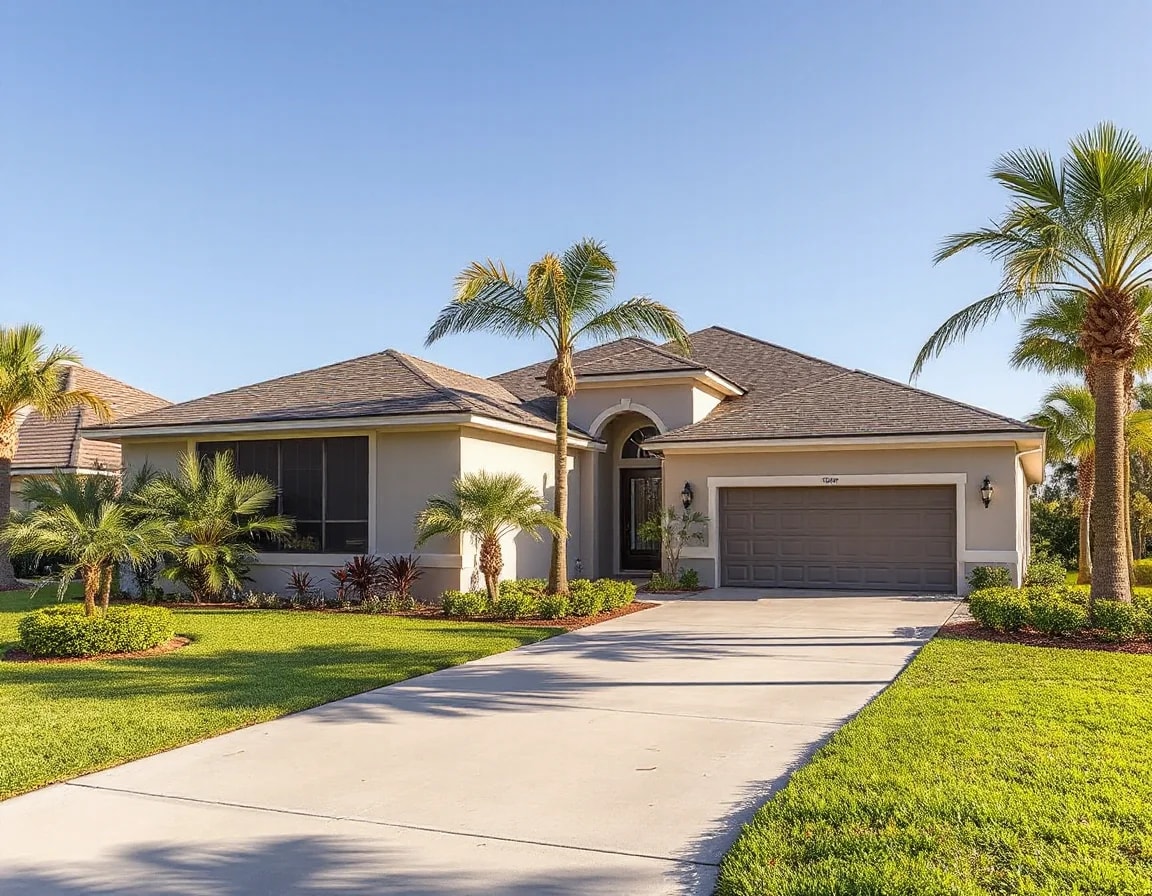
A $200,000–$500,000 budget can open several paths in North Port, from lower-maintenance homes to properties with more interior space, outdoor areas, or newer construction features. The strongest search begins by deciding what matters most: location, condition, layout, insurance considerations, or room to personalize. This guide breaks down how to compare those priorities thoughtfully before making an offer.
Start With Priorities, Not Just a Price Ceiling
North Port gives home buyers a broad range of property styles to consider, and a budget between $200,000 and $500,000 can look very different depending on the neighborhood, lot size, age of the home, and level of updating. Rather than treating the top number as the only filter, it helps to make a short list of the features that will shape daily life and long-term ownership costs.
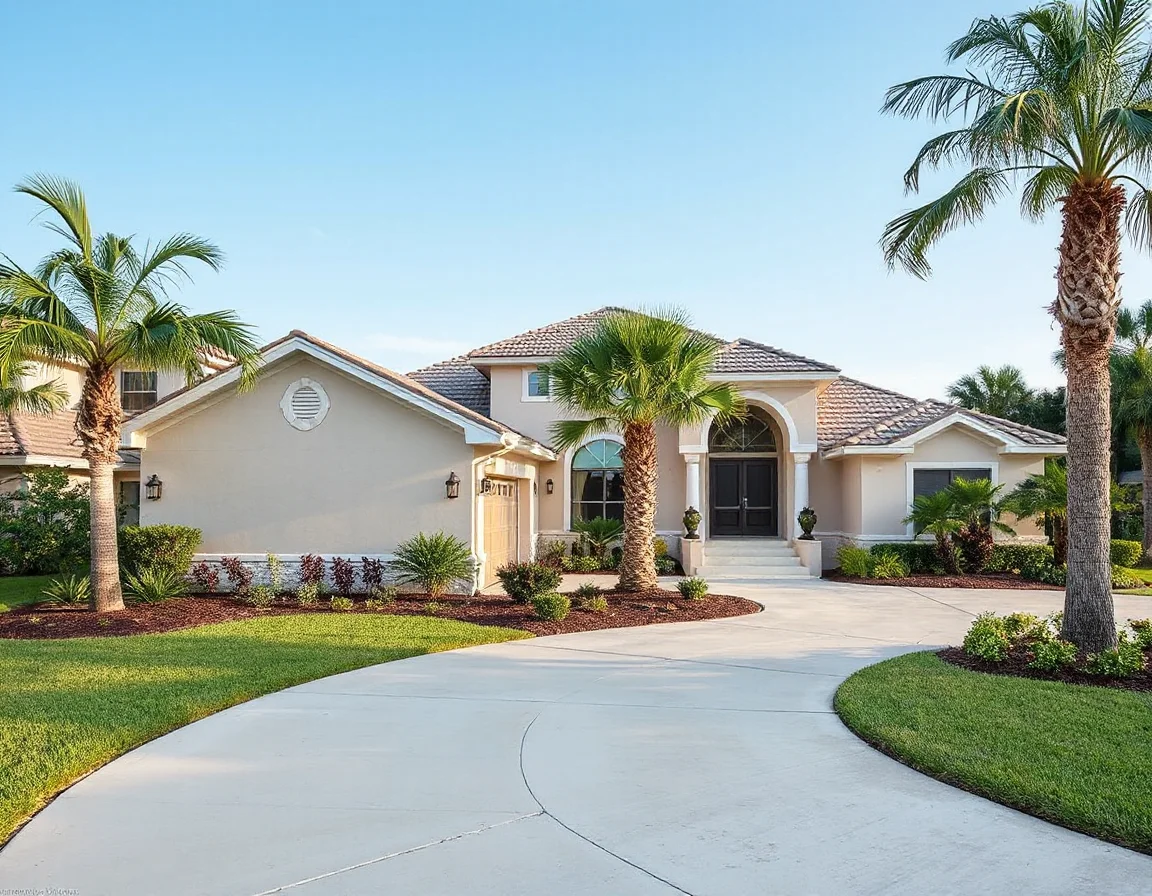
For one buyer, that may mean a single-story layout with a practical kitchen and a manageable yard. For another, it may mean extra room for a home office, a larger garage, a screened lanai, or a location that shortens the drive to everyday services and major roadways. A home that checks the right priorities can be more valuable to you than one with a longer feature list that requires compromises in the areas you use most.
It is also useful to separate must-haves from nice-to-haves. Bedrooms, bathrooms, roof age, flood-zone information, and the overall condition of major systems may belong in the first category. Decorative finishes, a particular paint color, or landscaping details may be less important if the home has sound fundamentals and offers a clear path for future improvements.
A budget range is most useful when paired with a monthly-payment target that accounts for taxes, insurance, association fees when applicable, and expected maintenance—not just the purchase price.
In this range, buyers may encounter homes that are move-in ready, homes with original finishes but solid bones, and newer construction options in developing parts of the city. Each can be a reasonable choice. The key is understanding where the price difference is coming from and whether that tradeoff matches your own timeline, comfort with projects, and financial plan.
What the Lower, Middle, and Upper Ends Can Emphasize
At the lower end of the $200,000–$500,000 range, available options may place more emphasis on value, existing-home character, smaller footprints, or properties that could benefit from selective updates. A buyer may find an opportunity to prioritize location, a functional layout, or a home without the premium attached to every current design trend. Inspection results and estimated improvement costs become especially important when comparing properties in this segment.
Moving toward the middle of the range can create more flexibility around square footage, bedroom count, garage space, renovation level, or outdoor living features. Many buyers use this part of the search to compare established homes with renovated interiors against newer residences offering contemporary floor plans and potentially newer major systems. Neither route is automatically better; the comparison should include utility costs, insurance quotes, maintenance expectations, and the lifestyle of the property as it is today.
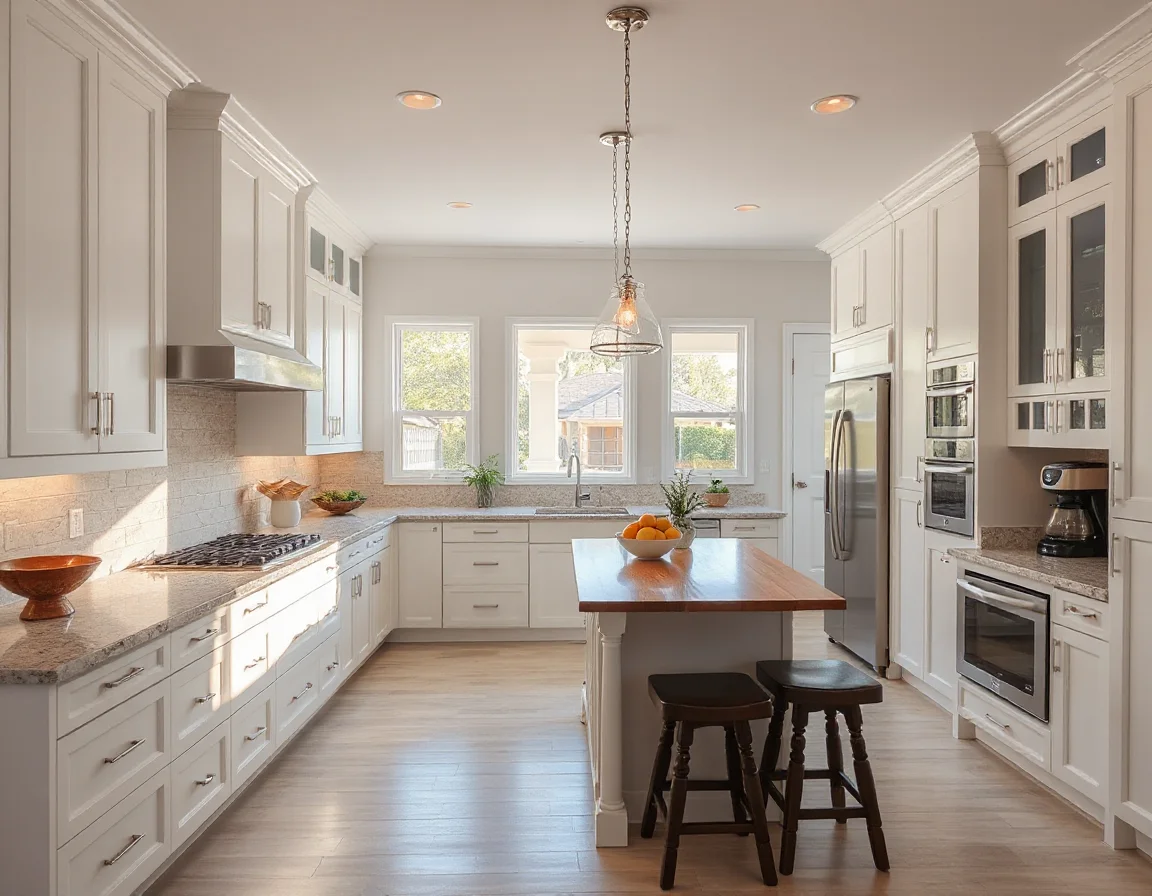
Near the upper end, the search may include homes with more recently completed updates, larger lots, expanded living areas, pools, upgraded kitchens, or newer construction. That added purchase price can bring convenience, but it is still worth looking beyond the finish level. Ask about permits for significant improvements, pool equipment age, hurricane protection, drainage, and any community rules that may affect how you use the property.
In every price band, compare similar homes on a like-for-like basis. A property with a new roof and air-conditioning system may deserve a different evaluation than a similarly priced home where those items are nearing the end of their expected service life. The same is true when comparing homes with different lot characteristics, public utilities versus well and septic systems, or different association structures.
The best comparison is rarely “Which home has more features?” It is “Which home delivers the strongest combination of condition, carrying costs, location, and useful space for my plan?”
North Port’s growth also means listings can vary considerably from one area to the next. Some locations offer established streets and mature landscaping, while others may feature newer homes and ongoing development nearby. Touring homes at different times of day, reviewing local property records, and studying the immediate surroundings can provide context that listing photos cannot capture.
Factor in Ownership Costs Before You Tour Too Far
A thoughtful home search includes more than the down payment and loan amount. Florida buyers should request insurance estimates early, especially when comparing homes of different ages, roof types, construction methods, and distances from coastal areas. Premiums can differ, and an early estimate can help keep an appealing property from stretching beyond the comfortable monthly range.
Property taxes deserve the same attention. A listing’s current tax bill may reflect the seller’s exemptions or assessed value history, so buyers should ask for a projection based on a potential purchase price. If a home is located in a homeowners association or another managed community, review the fee, what it covers, applicable restrictions, reserve information when available, and any approval process before proceeding.
Maintenance is another part of the equation. A larger yard, pool, mature landscaping, private well, septic system, or older home can offer desirable benefits while also creating additional upkeep. None of these features should be viewed as a negative by default; they simply deserve an accurate budget and a clear understanding of the work involved.
Michelle’s experience across closings, mortgages, title work, and real estate transactions can be particularly useful when the details become layered. Buyers benefit from a process that connects the listing comparison to lending milestones, inspection timing, title questions, and the practical decisions that occur between contract and closing.
Build a Search Strategy That Leaves Room to Act
Inventory and competition can change quickly, so it is wise to prepare before the right home appears. Loan preapproval, a clear comfort range, a list of non-negotiables, and a flexible showing schedule can all make the search more efficient. A preapproval is not a reason to spend to the maximum; it is a planning tool that helps you understand the choices available within a comfortable payment structure.
When a promising home comes on the market, slow down long enough to evaluate the full picture. Review disclosures, ask questions about repairs and improvements, confirm permit history where appropriate, and use the inspection period strategically. A professional inspection can identify maintenance needs that are not visible during a showing, giving you better information for your decision.
It can also help to look at each option through a three-year lens. Consider how the layout works now, what maintenance may arise, which updates would be worth doing, and whether the property will continue to support your goals if your schedule or needs change. That perspective often makes it easier to distinguish a temporary rush of excitement from a sound purchase.
Talk through your North Port home search
Make the Budget Work for the Home You Want to Own
A $200,000–$500,000 search in North Port is not about finding one universal “best” type of property. It is about recognizing the tradeoffs that matter to you and using reliable information to make them confidently. A renovated kitchen may be the priority for one buyer; a newer roof, a larger lot, lower-maintenance exterior, or extra flex space may matter more to another.
With a clear checklist, realistic ownership-cost estimates, and careful property comparisons, your budget can become a useful decision-making framework rather than a limitation. The goal is a home that fits the way you plan to live, supports your financial comfort, and gives you confidence from the first showing through closing day.