
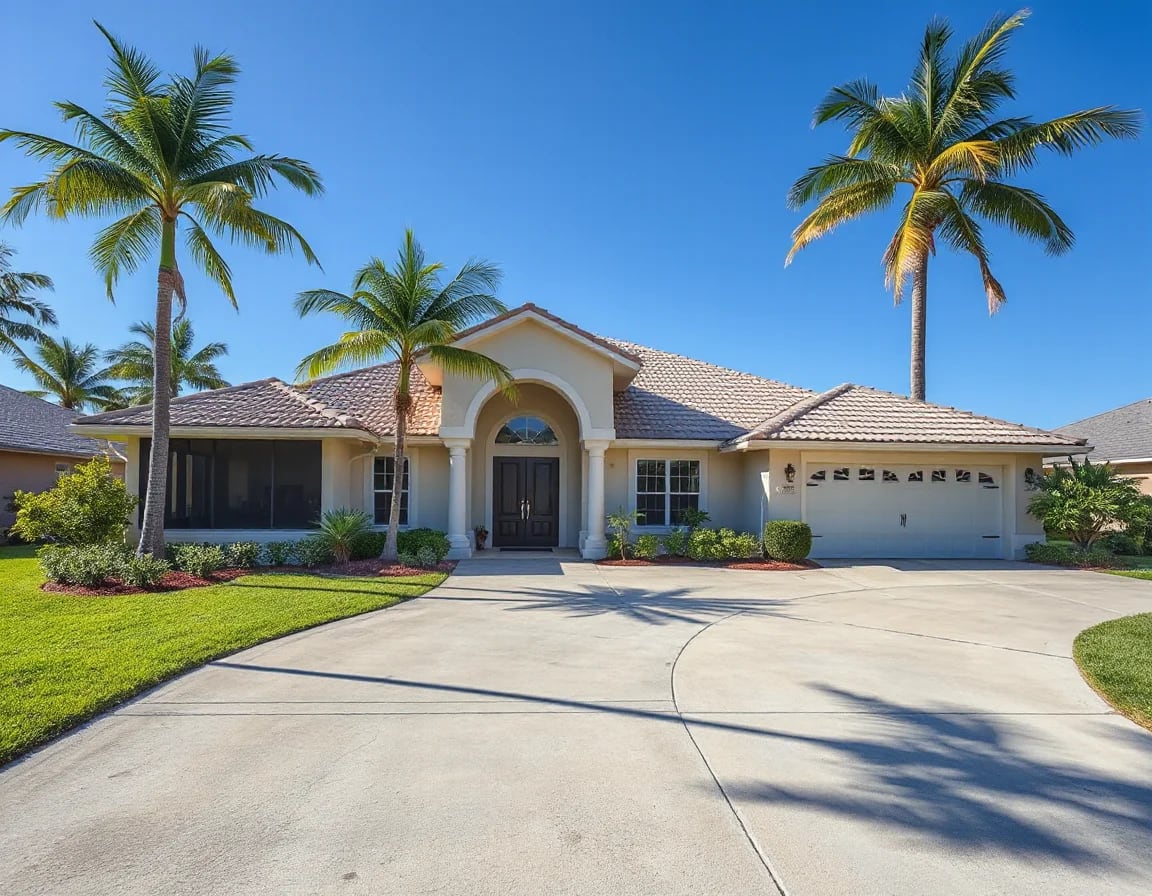
A $400K–$700K budget can open up a compelling range of Venice coastal-home options, from condos and paired villas to single-family homes with varying distances to the Gulf. The key is looking past the listing photos and asking questions that clarify ownership costs, location details, condition, and resale flexibility before making an offer.
Start With the Real Meaning of “Coastal”
In Venice, Florida, a coastal address can mean several different things. A property may be near Venice Beach, a short drive from the Intracoastal Waterway, within a golf or maintenance-free community, or simply located in a neighborhood shaped by the area’s coastal climate. At the $400K–$700K range, the available homes can differ significantly in age, lot size, community fees, renovation level, and access to waterfront amenities. Defining what “coastal” means to you before touring homes keeps the search focused on the features that will matter after closing day.

Question 1: How close do I need to be to the water? Proximity influences more than the drive to the beach. It can affect insurance considerations, flood-zone information, elevation questions, maintenance exposure, and the everyday rhythm of the location. A home several miles inland may offer more interior space or a larger lot for the same budget, while a property closer to the barrier island may place a premium on location, community design, or walkable access to parks and waterfront paths.
Ask for a map view, not just a mileage estimate. Look at the actual route to Venice Beach, downtown Venice, the Venetian Waterway Park, boat ramps, medical services, grocery options, and the places you expect to visit regularly. Traffic patterns and bridge access can make two homes with similar distances feel very different in day-to-day use.
A coastal lifestyle is often defined by the routines around the home: beach access, trail connections, water views, community amenities, and how easily the property fits your regular travel routes.
Ask What the Monthly Ownership Picture Really Includes
The purchase price is only the beginning of the financial conversation. Coastal Southwest Florida ownership can involve property taxes, homeowners insurance, wind coverage, flood insurance where applicable, HOA or condo fees, utility costs, lawn care, roof reserves, and maintenance for systems exposed to heat, humidity, salt air, and heavy seasonal rain. Comparing homes by list price alone can obscure meaningful differences in the total monthly cost.
Question 2: What are the current HOA or condominium fees, and what do they cover? Some communities include exterior maintenance, landscaping, irrigation, cable, internet, amenities, roof responsibilities, or insurance components. Others have lower dues but place more maintenance directly on the owner. Request the current budget, reserve information, rules and regulations, recent meeting minutes, and any notices involving assessments or planned capital work. These records can reveal how a community approaches long-term upkeep.
Question 3: What insurance information is available for this specific property? An insurance professional can provide the most reliable quote, but buyers can begin by reviewing prior premium information, flood-zone designation, roof age, wind-mitigation features, opening protection, and any available elevation documentation. Insurance availability and cost can change, so it is wise to investigate early in the contract process rather than treating it as a final checklist item.
Look Closely at Age, Maintenance, and Building Details
A home’s age does not automatically determine its condition. Venice has established neighborhoods with homes from several decades as well as newer construction communities, and both can offer value. The important step is understanding what has been updated, what remains original, and what future maintenance could look like. A well-maintained older home may have a newer roof, updated plumbing, impact-rated openings, and modern mechanical systems; a newer home may offer current building standards but still require review of warranties, drainage, and community obligations.
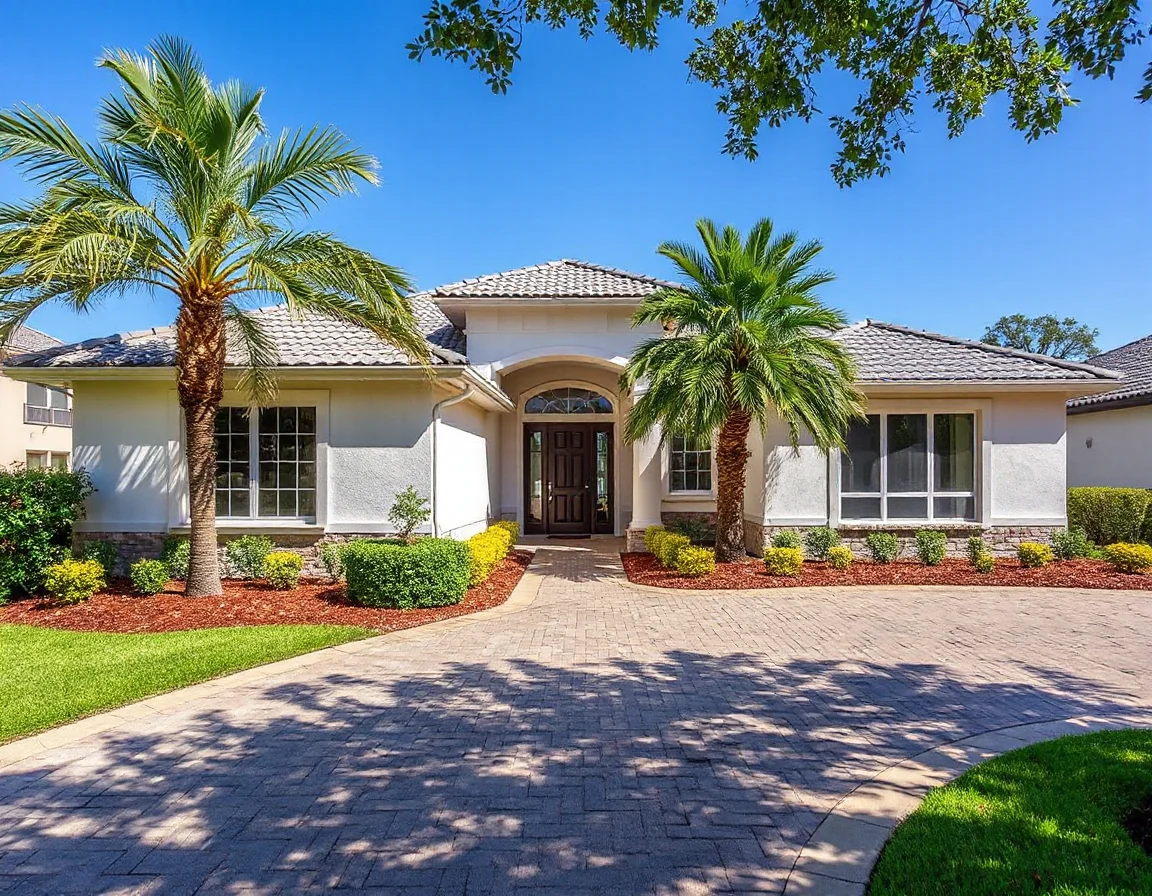
Question 4: Which major components have been replaced, and when? Start with the roof, HVAC system, water heater, electrical panel, windows, doors, pool equipment if applicable, and plumbing supply lines. Request permits and receipts when available. These documents do not replace inspections, but they help establish a timeline and can guide the questions you ask inspectors and insurance providers.
Question 5: How does the home handle water? In Florida, drainage deserves careful attention. During a showing, note gutter placement, lot grading, downspout discharge, swales, storm drains, lanai drainage, and signs of prior water intrusion. Ask about the home’s history during major rain events and review seller disclosures closely. A professional inspection can help identify visible concerns, while local permitting and flood resources can add useful context.
Outdoor spaces deserve the same scrutiny as interior finishes. Screened lanais, pools, patios, docks, exterior paint, irrigation systems, and landscaping can add enjoyment and maintenance responsibilities. If a home has a pool, ask about the surface age, heater, pump, filter, cage condition, and service history. A clear record of care is often as valuable as an eye-catching first impression.
Measure the Location Against Your Actual Routine
Venice offers a distinctive mix of Gulf beaches, historic streets, nature preserves, golf, bike paths, cultural programming, and everyday services. The right location is less about a universal ranking and more about how the area connects with your preferred routines. Spend time around the property at more than one hour of the day, especially if you are considering a seasonal schedule or want to understand travel patterns during busier months.
Question 6: What does the surrounding area feel like at different times? Visit during a weekday morning, late afternoon, and weekend when possible. Listen for roadway noise, observe guest parking, check the trip to the nearest grocery store, and follow the routes you would use for the beach, trail, airport, medical appointments, and recreation. If a community has amenities, review their hours, reservation requirements, guest policies, and maintenance schedules.
For buyers drawn to Venice’s outdoor setting, the Venice Area Audubon Rookery, Legacy Trail connections, public beaches, and waterfront parks offer different ways to enjoy the region. These amenities can be appealing, but it is still useful to distinguish between a quick drive, a bike ride, and a truly walkable route. The difference becomes important when evaluating how often an amenity will become part of your regular routine.
Touring a property twice can be more informative than extending a single showing. A return visit lets you check light, traffic, parking, drainage, and the drive time to the places you plan to use most.
Plan for Resale Before You Buy
Even if you expect to own the home for many years, resale considerations belong in the purchase decision. Buyers in the Venice market often compare properties based on condition, roof age, insurance-related features, community fees, outdoor living space, layout, and location relative to beaches or downtown. A home that fits your needs while retaining broadly useful features may offer more flexibility when it is time to sell.
Question 7: What features will future buyers likely evaluate most closely? Focus on practical items rather than chasing every trend. Flexible living areas, adequate storage, updated systems, a functional kitchen, appealing outdoor space, clear maintenance records, and manageable ownership costs can all shape future interest. In a condo or deed-restricted community, review rental policies, pet rules, vehicle rules, and leasing restrictions because they can influence how a future buyer evaluates the property.
It also helps to compare recent closed sales with active listings, rather than relying solely on automated estimates. Closed sales show what buyers have recently paid; active listings show the current competition. A thoughtful review can help you decide whether a home’s upgrades, location, and community structure support its asking price.
Talk through your Venice home search
Turn Good Questions Into a Stronger Offer Strategy
Buying a coastal home in Venice is most rewarding when the decision is built on specifics: the true ownership cost, the property’s maintenance history, water and insurance considerations, association documents, and the daily experience of the location. A $400K–$700K search can include many appealing choices, but the best fit is rarely identified by photographs alone.
Bring a written list of questions to every showing, save documents in one place, and allow enough time for inspections and due diligence. With detailed transaction knowledge spanning closings, mortgages, title work, and Southwest Florida real estate, Momentum Realty can help buyers organize the moving parts and evaluate a home with greater clarity. The goal is not simply to find a Venice address—it is to make an informed purchase that feels practical, enjoyable, and well-supported from offer through closing.