
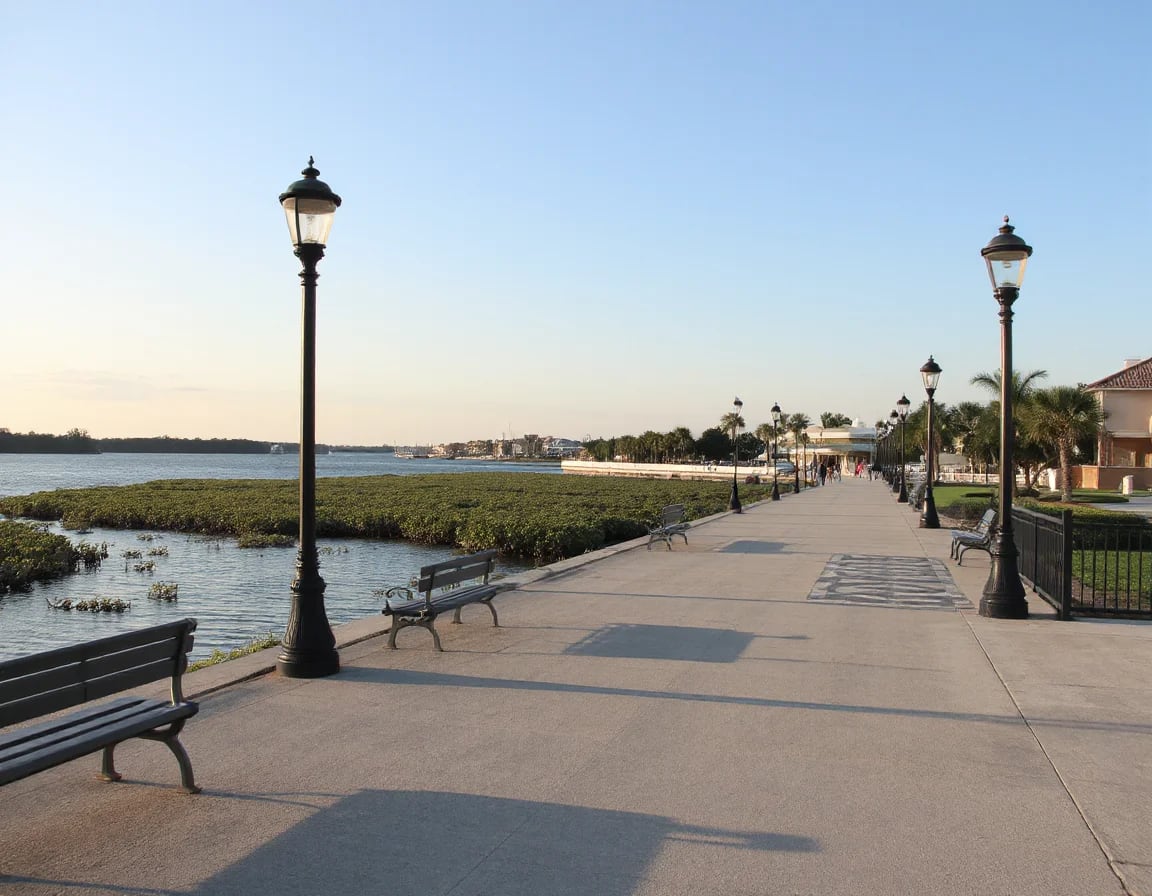
Lemon Bay is more than a scenic backdrop in Englewood—it influences how a day can begin, where an afternoon leads, and what home features matter most during a property search. From launch points and waterfront views to practical questions about docks, flood considerations, and maintenance, water access is part of the area’s everyday real estate conversation.
1. The Bay Turns Ordinary Errands into Time Outside
Englewood’s relationship with Lemon Bay is easy to notice from the first drive around town. The protected coastal waterway runs alongside much of the community and creates a distinctly Florida rhythm: palms moving in the breeze, wading birds along the shoreline, and changing light across the water in the late afternoon. For many residents, a short walk, a quick detour, or a few quiet minutes near the bay becomes an easy part of the day rather than a special occasion.
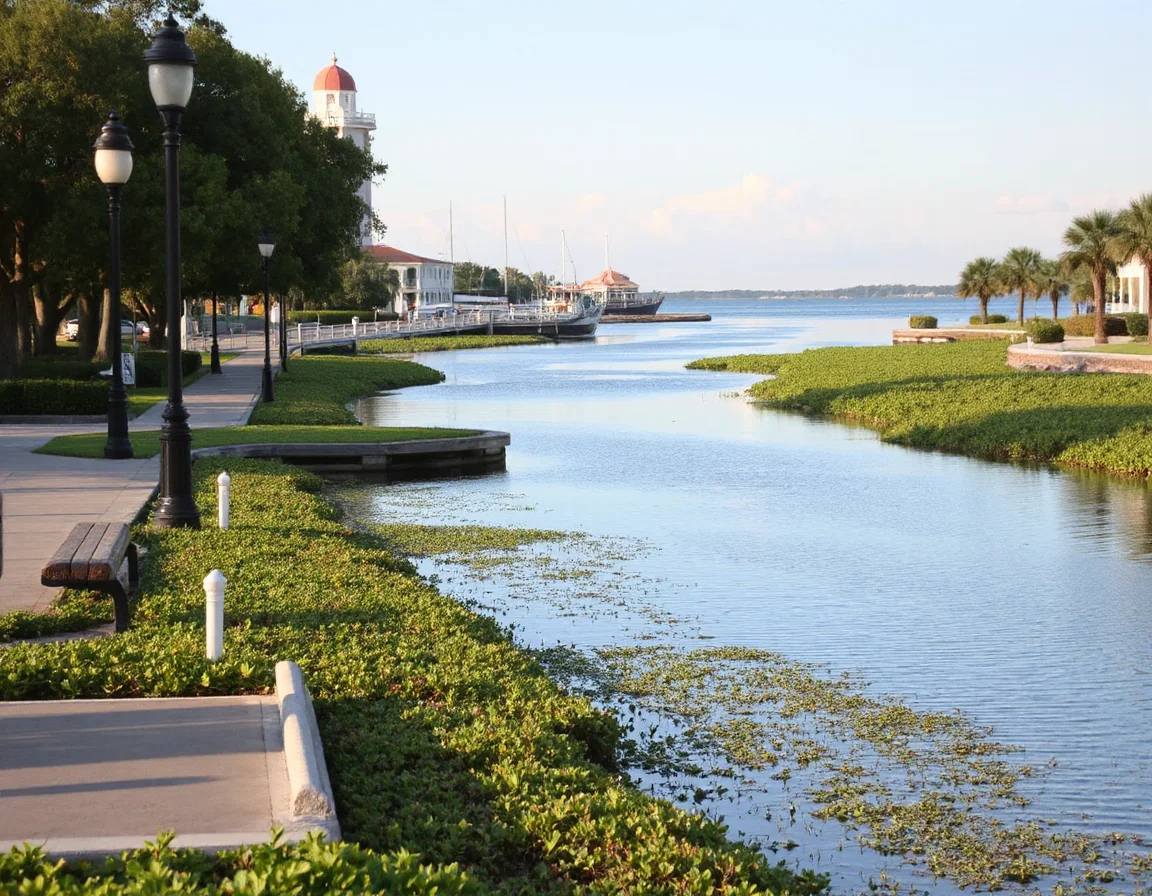
That access shapes the value people place on location. A home does not need to sit directly on the water to feel connected to it. Some buyers prioritize a nearby public launch, a route to a waterfront park, a view corridor, or simply a neighborhood street that makes it convenient to reach the bay. Others prefer the privacy and maintenance profile of an inland home while still keeping coastal recreation close by.
Daily routines can feel more flexible when water is nearby. Morning walks, evening photography, birdwatching, and a pause at the shoreline all provide low-key ways to enjoy the setting without making elaborate plans. It is this repeatable access—not just a postcard-worthy view—that gives Lemon Bay a lasting presence in Englewood living.
When comparing properties, map the actual route to the water rather than relying only on a listing’s general location. A few minutes can make a meaningful difference in how often an amenity becomes part of everyday life.
2. Boating Decisions Start at Home
For people who spend time on the water, Lemon Bay can influence the checklist long before a showing is scheduled. The bay connects with coastal waterways and provides opportunities for boating, paddling, fishing, and exploring nearby shoreline areas. That does not mean every waterfront property offers the same experience, however. Water depth, bridge clearances, dock configuration, lift capacity, canal access, and local rules can all affect whether a particular home fits a buyer’s intended use.
A waterfront address may come with a private dock, a shared dock arrangement, or no dock at all. Some properties offer quicker routes toward open water, while others sit along canals or protected stretches better suited to smaller vessels and quiet paddling. Buyers should avoid assumptions based on photographs alone and ask for documentation, permits, and current information about improvements before making decisions around a boat or other watercraft.
Even without a dock, public launch access can broaden the appeal of a home. A kayak can be far easier to store and launch than a larger vessel, and a short paddle through calm water can become a regular outing. The best fit depends on practical habits: how often equipment will be used, how it will be transported, and how much maintenance a buyer wants to take on.
3. Paddling and Fishing Add Another Layer to Local Recreation
Lemon Bay’s sheltered character supports a slower-paced form of coastal recreation. Kayaks, paddleboards, and small boats offer a close look at mangrove edges, seagrass shallows, and the changing textures of the estuary. Fishing also remains a familiar part of the area’s outdoor culture, whether the plan is a brief outing from a dock, a trip by boat, or time spent along an appropriate public access point.
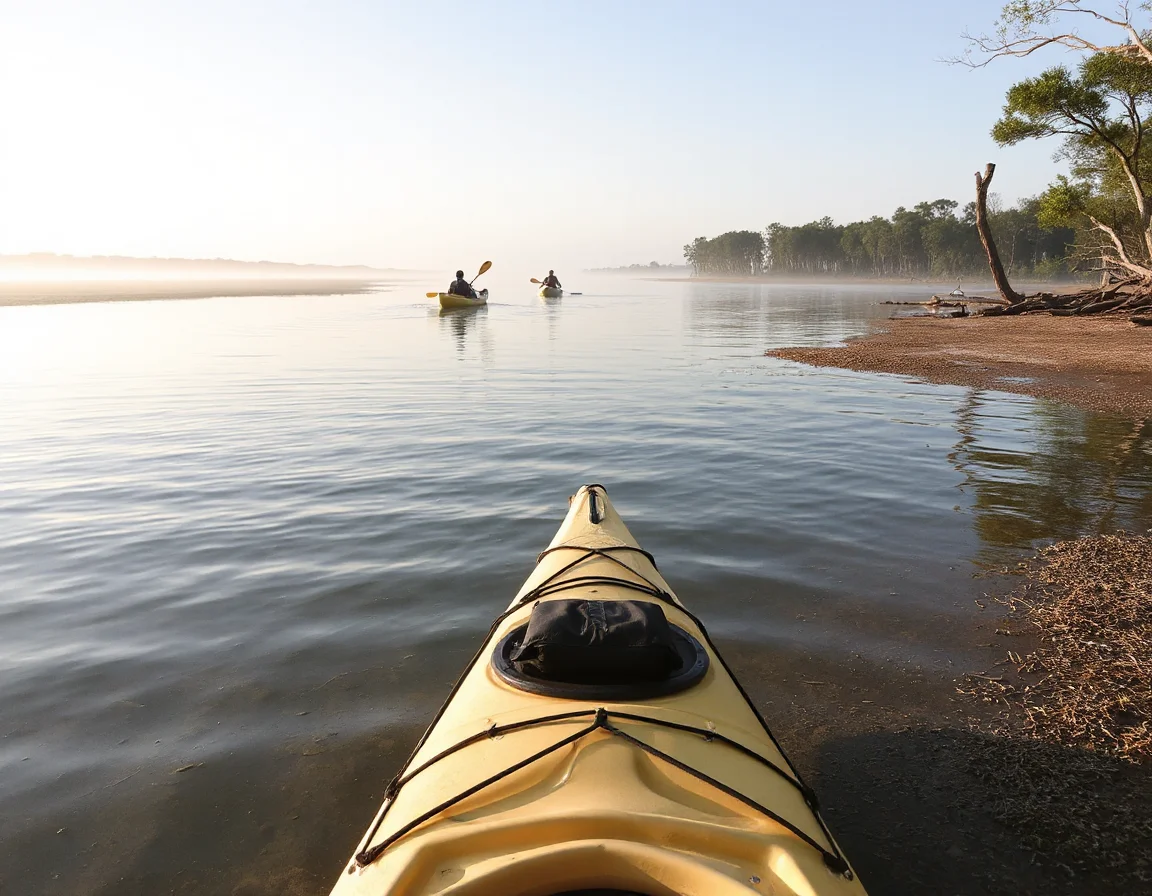
Because these activities can be woven into a normal week, storage and setup matter. A screened lanai, garage space, covered parking area, side yard, or dedicated rack can make it simpler to keep equipment ready. Buyers who own kayaks, fishing gear, or trailerable boats may find that a home’s utility is shaped as much by these everyday details as by its square footage or finishes.
Weather and tides are also part of the experience. Southwest Florida conditions can shift quickly, especially in warmer months, so local knowledge, appropriate safety equipment, and attention to forecasts matter. The reward is a lifestyle that can be active or unhurried depending on the day: a sunrise paddle, an afternoon on the water, or a sunset watched from shore.
4. Waterfront Homes Bring a More Detailed Due-Diligence List
Waterfront living is compelling, but it calls for careful questions. Flood zones, elevation, insurance options, seawall condition, dock permits, storm preparation, drainage, and maintenance history can all be relevant to a purchase decision. These are not reasons to avoid a waterfront or near-water property; they are reasons to understand the complete picture before writing an offer.
For example, a seawall or dock may have a useful life that differs from the home’s roof, HVAC system, or interior finishes. A buyer may want specialists to inspect marine structures, confirm permit history, and identify any visible maintenance needs. Properties governed by an association may also have rules about docks, boat storage, exterior changes, or access to common waterfront facilities.
Michelle’s experience across closings, mortgages, and title work can be particularly useful when the transaction includes layered questions about property records, financing, insurance, or waterfront improvements. A well-organized purchase process helps buyers move from a broad idea of “water access” to a clear understanding of the specific home they are considering.
5. Views and Outdoor Spaces Change How a Home Is Used
Not every Lemon Bay lifestyle is centered on a boat. For some homeowners, the strongest draw is visual: water visible through mature landscaping, a broad sky at dusk, or a screened outdoor space that captures coastal breezes. These features can influence how patios, lanais, pools, porches, and living rooms are used throughout the year.
Orientation matters. A home facing a particular direction may receive different light in the morning or afternoon, while trees, neighboring structures, and shoreline vegetation can affect privacy and views. During a showing, it can be helpful to step outside, listen for nearby activity, note the sun’s position, and picture the space at different times of day rather than focusing only on a single listing photograph.
Water-adjacent homes also vary widely in architectural style and lot design. One property may emphasize broad glass doors and outdoor entertaining space; another may feel more private, with native landscaping and a compact footprint. The common thread is not one look, but the ability to make outdoor surroundings part of the home’s daily function.
6. The Bay Connects Englewood to a Wider Coastal Map
Lemon Bay helps place Englewood within a broader network of Gulf Coast recreation, barrier-island beaches, parks, golf, dining, and community events. A day can move naturally between inland errands, time near the water, and a drive toward the coast. This mix is part of what makes location research important: two homes a few miles apart may offer very different routes, views, water access points, and day-to-day conveniences.
For sellers, the water connection is worth describing accurately and specifically. Rather than relying on broad phrases, highlight objective details such as dock features, public launch proximity, water-view orientation, storage for recreational equipment, or recent marine-structure work. Clear information helps prospective buyers evaluate a property with confidence and supports stronger conversations once interest develops.
Waterfront value is often about usable access, not just proximity. A documented dock, thoughtful outdoor storage, or a practical route to a launch can be as meaningful as a distant water view.
Whether the goal is to find a direct-bay property, a home near a launch point, or a comfortable inland address with easy access to the coast, Englewood offers many ways to build water into the routine. The right choice comes from matching the property’s details to the activities, maintenance expectations, and pace of life that matter most to you.