

Selling a Gulf Coast condo is not simply a matter of putting a price on the unit and scheduling showings. Association documents, insurance questions, current assessments, rental policies, and building condition can all shape a buyer’s confidence and the path to closing. A thoughtful plan helps present the complete picture clearly, reduce avoidable delays, and position the property competitively.
Start With the Condo Story, Not Just the Square Footage
A condominium sale on Florida’s Gulf Coast has two connected parts: the residence itself and the community that supports it. Buyers certainly notice the kitchen, views, floor plan, storage, parking, and outdoor space, but they also evaluate the association’s financial posture, rules, amenities, maintenance plans, and monthly costs. Sellers who prepare both sides of that story before listing are better equipped to answer questions with clarity rather than scrambling for paperwork after an offer arrives.
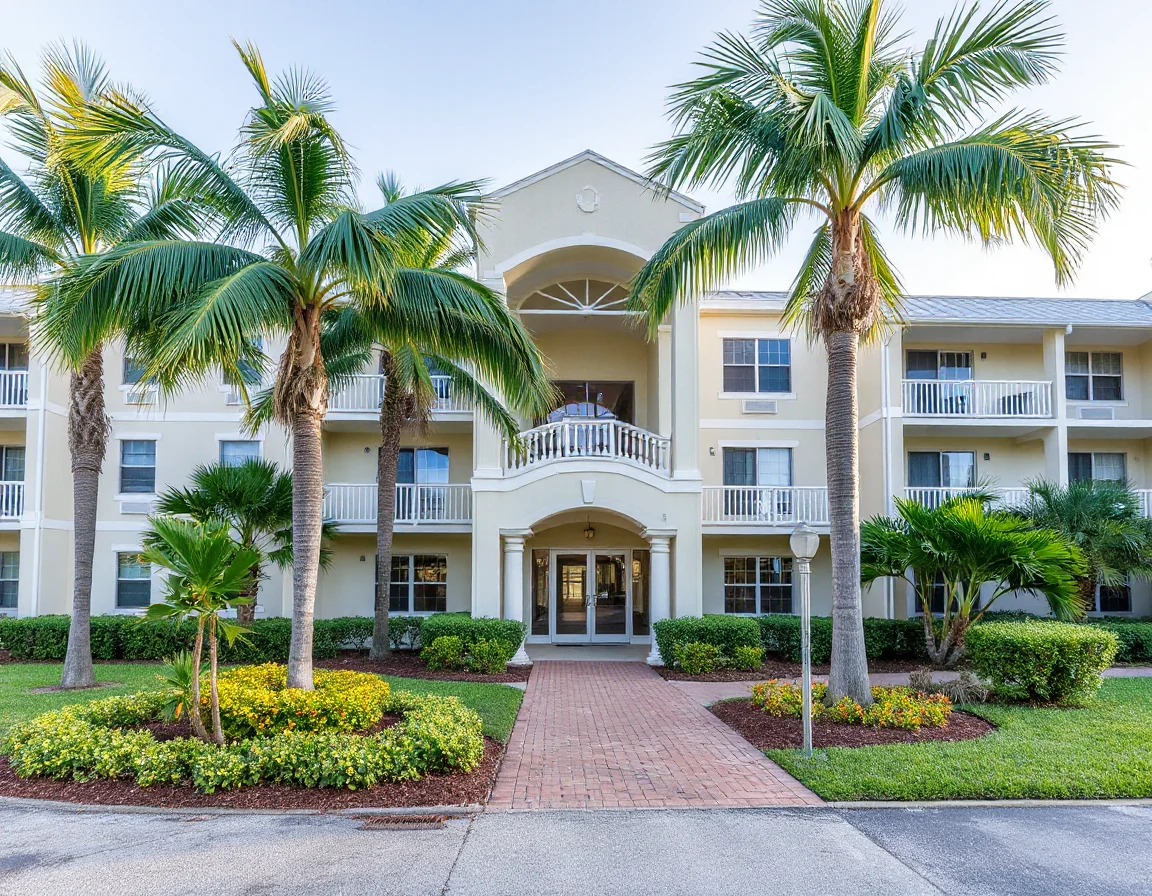
Begin by gathering the materials a serious buyer and lender may request. This commonly includes the condominium declaration, bylaws, rules and regulations, current budget, recent financial statements, meeting minutes, insurance information, reserve details, and notices regarding pending or approved special assessments. If the association uses an approval process, collect the application instructions, expected timing, and current fees. Having an organized digital folder can make the property easier to evaluate and helps keep the transaction moving once a buyer is ready to proceed.
It is also worth reviewing the practical details that influence everyday ownership. Confirm the assigned parking space, storage locker, pet policies, leasing restrictions, move-in procedures, amenity access, and what the monthly condominium fee covers. A buyer comparing several coastal condos will often focus on these details just as closely as cabinetry or paint colors. Straightforward information builds trust and helps purchasers compare the true cost and use of each option.
A complete association packet can be one of the most useful seller-preparation tools: it gives buyers context for fees and rules before they become last-minute questions.
Florida condominium communities can also have building-specific projects, inspections, reserve planning, or insurance changes underway. The right approach is not to minimize these topics; it is to present accurate documentation and explain what is known. Sellers should speak with the association or management company early, especially when recent notices reference repairs, assessments, or changes in operating costs. For legal, financial, and association-document questions, rely on the appropriate qualified professionals for guidance.
Price for Today’s Choices and Today’s Costs
Accurate pricing begins with comparable sales, but condo pricing requires a closer look than a simple bedroom-and-bathroom match. Units in the same building may vary substantially based on floor level, water or preserve outlook, renovation quality, parking, storage, exposure, furnishings, and proximity to elevators or amenities. Nearby communities can also differ in age, fees, services, building design, insurance costs, rental policies, and reserve funding. These distinctions matter when buyers are reviewing their options side by side.
Monthly fees deserve thoughtful context. A higher fee is not automatically a disadvantage when it includes meaningful services, maintenance, insurance components, reserves, or amenities that reduce separate owner expenses. Conversely, a lower fee may prompt buyers to ask what is included and how future capital needs are funded. A well-positioned listing explains the value of the community without making assumptions about what any particular buyer should prioritize.
Condition and presentation remain central. Fresh paint, repaired screens, clean grout, updated light fixtures, orderly closets, and clear balcony or lanai spaces can make a unit feel cared for. If a renovation is not in the plan, focus on cleanliness, light, function, and honest pricing. Before photography, remove highly personal items, simplify surfaces, and make sure blinds, windows, and exterior-facing spaces are ready to show. Gulf Coast light can be a genuine asset when rooms are bright and well prepared.
Request a condo home valuation
Momentum Realty’s Michelle brings experience that extends beyond the listing side of a transaction, including closings, mortgages, and title work. That perspective can be especially valuable with condos, where association documentation, lending conditions, appraisal considerations, and closing timelines often need to work together. A pricing conversation should be grounded in current competition, recent closed sales, unit-specific strengths, and the information a buyer will need to make an informed decision.
Make the Building and the Location Easy to Understand
Buyers considering Florida’s Gulf Coast often want to understand how a condo connects to the surrounding area as well as the building itself. Rather than broad promises, provide practical location facts: approximate access to beaches, waterfront paths, public parks, golf, boating facilities, medical services, cultural venues, transportation routes, and everyday errands. These details help buyers picture how they may use the location while keeping the marketing focused on objective amenities.

For waterfront or near-water properties, be ready for questions about views, storm protections, exterior maintenance responsibility, flood information, and the building’s policies for shutters or other protective features. If the unit has impact-rated windows, hurricane shutters, a newer roof, updated mechanical systems, or a particular parking arrangement, document those features carefully. Avoid guessing about flood zones, insurance eligibility, or future premiums; buyers can use the relevant professionals and official sources for property-specific answers.
Rental rules can shape the buyer pool as well. Some associations limit lease frequency, impose minimum lease periods, require screening, or regulate the use of a unit after purchase. Those rules should be available early and described precisely. Clear rental-policy information serves everyone involved by helping interested purchasers determine whether the community’s guidelines align with their intended ownership plans.
Photos should reflect the real experience of the property: natural light in the living area, functional room flow, balcony or lanai space, building entry, shared outdoor areas, and notable views where applicable. Professional visuals work best when they are supported by a listing description that gives the facts buyers need, including association fees, parking, storage, amenities, and major updates. The goal is not to oversell; it is to make the strongest, most accurate case for the home.
Plan Ahead for Offers, Financing, and Closing
A strong offer is about more than the headline price. Review the financing type, deposit, inspection period, association approval timeline, requested credits, furniture or personal-property terms, closing date, and contingencies. Condo transactions may involve lender review of the association and building in addition to the buyer’s personal loan approval. Early attention to documentation can help prevent surprises when a lender, appraiser, title professional, or buyer asks for additional information.
If an appraisal is required, provide a concise package that highlights relevant improvements and comparable sales rather than relying on assumptions. In a building with varied layouts or views, the appraiser may benefit from knowing the specific details that distinguish the unit. Sellers should also be prepared for reasonable inspection findings. A measured response, supported by estimates or documentation when appropriate, is often more productive than reacting to every request in isolation.
The smoothest condo closings are usually prepared well before contract: association paperwork, current contact details, and accurate disclosures are ready when the buyer’s team needs them.
Closing preparation includes confirming the association’s estoppel process, any transfer or application fees, utility arrangements, keys, remotes, gate devices, mailbox information, and move-out rules. A title and closing team can coordinate the formal requirements, while a knowledgeable real estate professional can help keep the broader timeline organized. This is where transaction experience matters: small details can have an outsized effect when several parties are working toward the same closing date.
Whether the condo is in Venice, Nokomis, Osprey, Englewood, North Port, or another Southwest Florida community, a successful sale starts with a complete and accurate presentation. Prepare the documents, price with the building and the competition in mind, showcase the unit’s genuine advantages, and respond promptly to questions. With a clear plan, sellers can move from listing day to closing with greater confidence and fewer avoidable detours.