
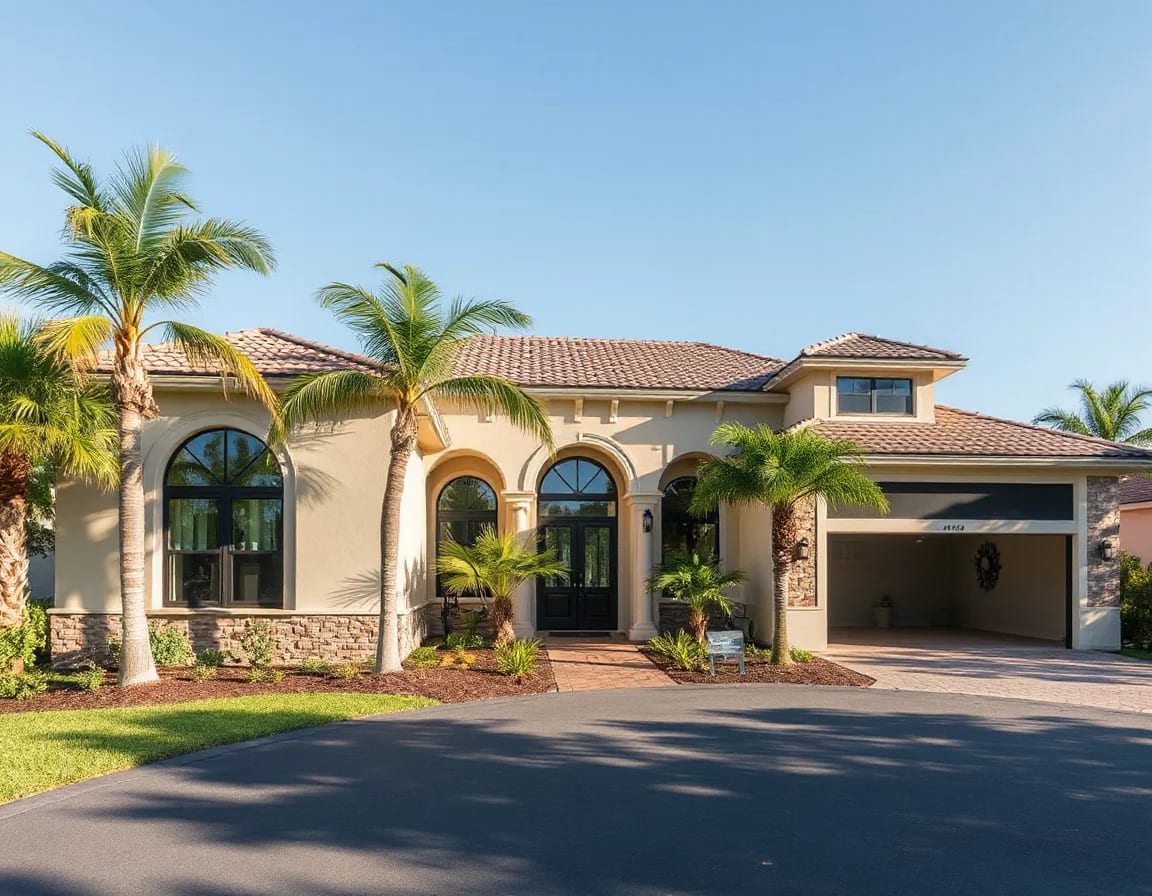
A bayfront address in Osprey can bring memorable water views, coastal access, and a distinctive daily setting—but the purchase price is only one line in the ownership equation. Comparing insurance, maintenance, construction details, and location-specific costs before making an offer can help turn a beautiful first impression into a confident long-term decision.
Look Beyond the View When Comparing Osprey Homes
Osprey’s position between Sarasota and Venice makes it a compelling place to compare coastal Florida properties, from homes near Little Sarasota Bay to residences farther inland with convenient access to parks, beaches, dining, and major roads. A water-facing home can feel immediately different from an inland alternative: the light changes through the day, breezes move across the landscape, and outdoor spaces may become a central part of how the property is used. That appeal is real, but so is the need for a complete ownership budget.
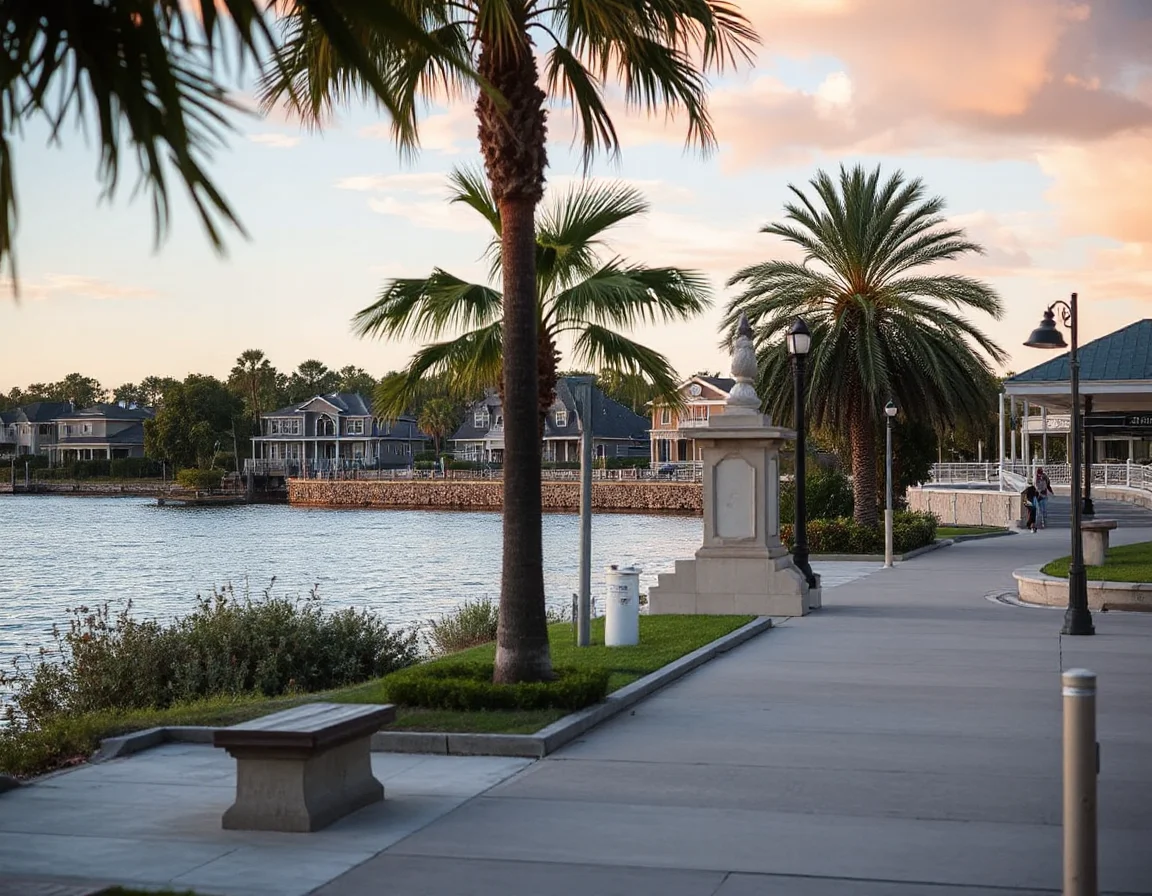
The useful comparison is not simply bayfront versus inland. It is a comparison of the home’s total carrying cost, its condition, its construction, and the lifestyle features that matter most to the buyer. Two homes with a similar asking price can produce very different monthly and annual expenses depending on flood zone, elevation, roof age, window protection, dock or seawall condition, pool equipment, landscaping, and homeowners association requirements.
Start with a practical worksheet before touring properties. Include principal and interest, property taxes, homeowners insurance, possible flood insurance, association dues, utilities, reserve funds, and ordinary maintenance. Then add items that may not appear in a listing description: tree care, irrigation repairs, pest control, exterior cleaning, pool service, marine structure inspections, or future roof replacement. The goal is not to assume every home will need every expense; it is to identify which questions deserve answers before the inspection period ends.
A view may command a premium because it is difficult to replicate, especially where the home also offers outdoor living areas, water access, or a favorable orientation. Still, a premium should be assessed alongside the home’s usable layout, current condition, and the costs needed to preserve its features. A property that feels polished today may have deferred exterior work behind the landscaping or a near-term capital item that changes the math.
For coastal comparisons, request insurance estimates early—not after negotiating price. Premiums and underwriting can vary meaningfully based on a home’s specific elevation, roof, openings, prior claims history, and coverage choices.
Momentum Realty’s transaction perspective is especially helpful here because the decision touches more than a listing price. Mortgage terms, title questions, closing expenses, inspection findings, and insurance timing all affect the final budget. A well-organized comparison lets buyers assess the whole transaction rather than making a decision from a single attractive feature.
Insurance Is a Property-Specific Conversation
Insurance is often the category that deserves the earliest attention in a Southwest Florida home search. A broad online estimate can be a useful starting point, but it cannot replace quotes built around the actual address and property details. Buyers should expect the insurance discussion to involve homeowners coverage, wind-related considerations, deductibles, and, depending on the property, separate flood coverage.
For a home near the bay or another waterway, ask for available elevation documentation and confirm the flood zone through the appropriate sources. Flood zone information is important, but it is not the only factor an insurer may evaluate. Construction year, roof material and age, roof shape, storm opening protection, electrical and plumbing updates, and claims history can all influence eligibility and pricing. If records are incomplete, the inspection process may help clarify what documentation or improvements are needed.
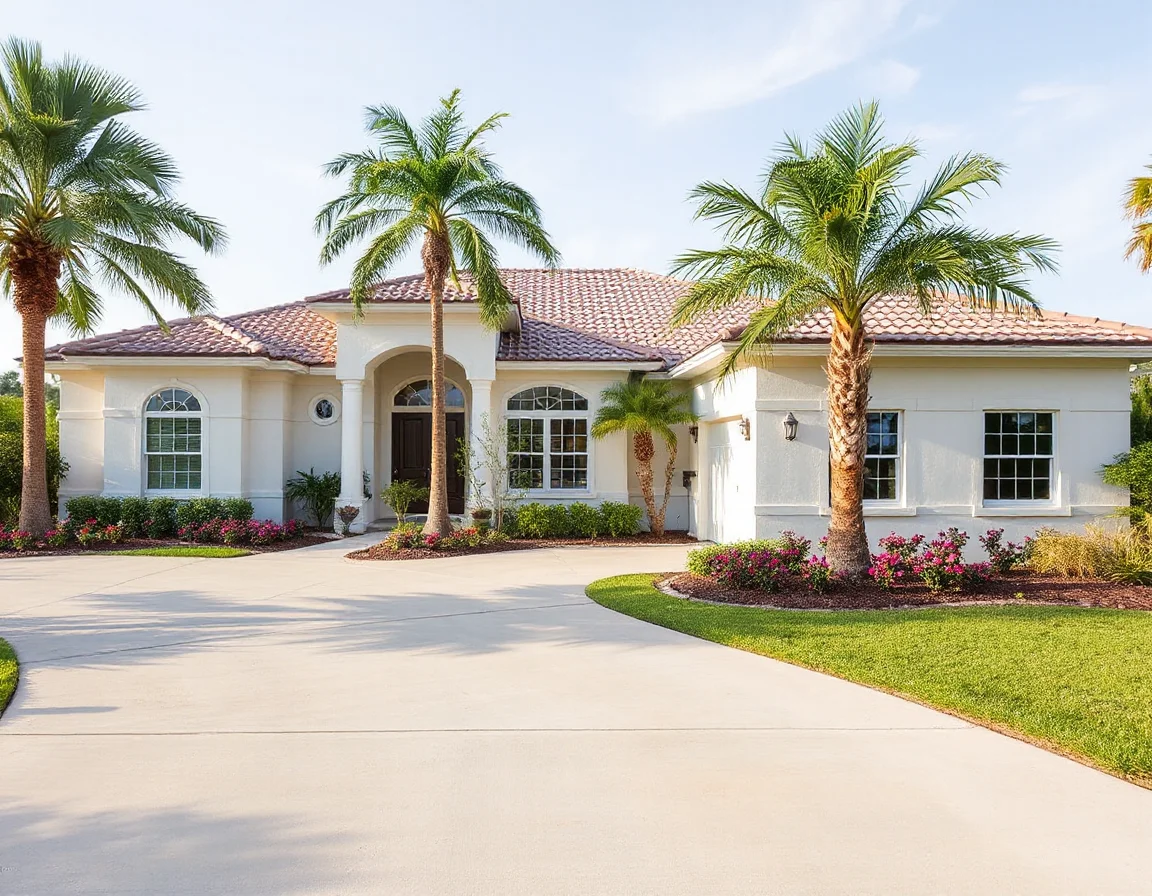
Roof age is frequently a major checkpoint. Even when a roof appears sound from the ground, insurers may have their own documentation standards, and buyers should understand whether a future replacement could affect coverage options. Similarly, impact-rated windows, shutters, reinforced garage doors, and other wind-mitigation features may be relevant to both resilience planning and insurance quotes. Buyers should ask which features are present, whether permits or certifications are available, and whether any credits are reflected in the estimate.
It is also wise to compare deductibles, not just premiums. A lower annual premium can come with a higher deductible, and the appropriate balance depends on a buyer’s financial plan and comfort level. Reviewing the declaration pages with a qualified insurance professional can make the coverage structure easier to understand. The purpose is not to predict every future event; it is to avoid surprises and build an ownership plan with realistic reserves.
Association-governed communities add another layer. Dues may cover certain exterior services or shared amenities, but they can also change over time as boards plan maintenance and reserves. Review association documents, budgets, rules, recent meeting minutes when available, and any information about special assessments. This is not merely paperwork—it helps show what the community maintains collectively and what remains the homeowner’s responsibility.
A strong offer strategy includes a timeline for inspections, insurance quotes, association document review, and lender questions. The more of these tasks that happen in parallel, the clearer the final ownership picture becomes.
Coastal Upkeep Rewards Consistent Attention
Salt air, sun, humidity, and seasonal rain are part of the Gulf Coast setting, and they can be hard on exterior materials over time. In Osprey, a home’s maintenance plan should give special attention to roofs, gutters, exterior paint, caulking, window seals, HVAC systems, drainage, irrigation, and metal fixtures. Regular preventive care can protect comfort, appearance, and long-term value more effectively than waiting for a small issue to become a larger repair.
Bayfront homes may require additional review of seawalls, docks, lifts, pilings, bulkheads, and shoreline-adjacent landscaping where applicable. These components can be valuable features, but they are specialized systems with inspection and maintenance needs. Buyers should ask about permits, maintenance history, contractor records, age, operational condition, and any transfer requirements. When a marine structure is part of the appeal, a qualified inspection is a practical part of due diligence.
Even an inland property can have meaningful exterior responsibilities. Mature trees offer shade and character but may require periodic evaluation and trimming. Pools and spas bring recreation and visual appeal while adding equipment, service, and resurfacing considerations. Outdoor kitchens, screened enclosures, generators, and elaborate landscaping can also shape the annual budget. None of these features is automatically a drawback; they simply deserve to be valued as complete systems rather than as line items on a feature list.
When comparing homes, consider making a “year one” column and a “five-year” column. In year one, include inspections, immediate repairs, move-in improvements, and reserve funding. In the five-year column, note likely roof, HVAC, exterior, landscaping, or water-access expenses based on age and condition. This approach can make two otherwise similar properties easier to evaluate with clear eyes.
Build an Ownership Plan That Fits the Property
The right Osprey home does not have to be the lowest-maintenance option or the one with the biggest water view. It is the property whose location, features, condition, and ongoing costs align with the buyer’s priorities and financial plan. For some, that may mean prioritizing a newer roof and impact protection. For others, it may mean choosing a home with a dock, a pool, a larger outdoor area, or close access to the bay while budgeting intentionally for upkeep.
Before writing an offer, gather the documents that turn impressions into information: seller disclosures, permits where available, utility history, association materials, insurance quotes, inspection reports, and estimates for any visible repairs. A careful review creates room for thoughtful negotiations and helps buyers decide whether the property’s advantages justify its full cost of ownership.
Bayfront appeal can be extraordinary, and Osprey offers a range of ways to enjoy Southwest Florida’s coastal environment. With careful insurance research, a realistic maintenance reserve, and a transaction team that understands the moving parts behind a closing, buyers can compare homes with confidence and choose a property that feels as practical as it is inspiring.